Stories of Hope
To better understand the impact of bone marrow failure, we present stories told by the patients, parents, family members, and spouses who are living with these illnesses. Our entire community benefits from the insightful stories patients and family members share with us about their personal journeys.
Stacy's Aplastic Anemia Journey continues
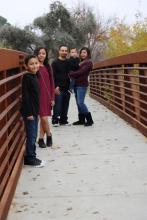
Part 2: Immunotherapy begins! The doctor in San Francisco confirmed that I had aplastic anemia. Treatment would begin with “triple immunotherapy.” I was admitted for four days for the treatment. He told me that if this didn’t work, I’d need to stay in there for four months for a stem cell transplant. My first night of immunotherapy was so bad that I was going into shock. The next few days, it was a little easier but I needed blood and platelets. My body started to reject the platelets, so that worried me! I was fortunate to find one donor, all the way from Sacramento, whose platelets I…
Stacy's Journey through Aplastic Anemia
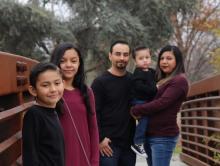
This new series will follow Stacy as she navigates the world of bone marrow failure disease. We’ll release each new chapter as she shares what she experiences. Watch for announcements and updates! Part 1: Symptoms and diagnosis My name is Stacy Bravo I have been diagnosed with a rare disease. I have Aplastic Anemia. By sharing my story, I’m hoping to make a difference. I want to help others by creating awareness and encouraging everyone to become a donor for blood, platelets, or bone marrow. When our family took a short trip to Morrow Bay and Pismo Beach. I was so exhausted I stayed in the…
MDS-My Story...so Far! By Barry Parnas
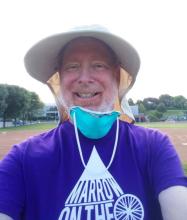
MDS - My Story . . . so far Early in 2010, thousands of us had just been laid off and I had decided to start an RN nursing career. I was 47 years old, but in May I was diagnosed with MDS after a routine physical. I had a follow-up appointment with a hematologist oncologist over the summer, and a bone marrow biopsy in August, which was definitive for MDS-RCMD (Refractory cytopenia with multilineage dysplasia). I had a consultation with the bone marrow transplant (BMT) director at Washington University Medical School in St. Louis. He said that I would probably need blood transfusions within 3…
Precious Conquers Aplastic Anemia, a Story from South Africa
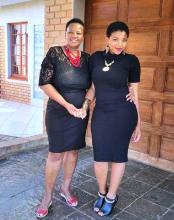
As a girl in South Africa, I was healthy and active. I started college at the University of Limpopo, studying Business/Accounting in 2011. The next year, though, I started having unusual symptoms. I felt so exhausted that I had trouble getting out of bed. Then in October I noticed other changes. My skin was pale, and I had bruises all over. Because my skin is light brown, I didn’t make much of it. When I saw my dentist that month, the cleaning took longer than expected. The dentist handed me a solution to rinse my mouth, but my gums continued bleeding. When she noticed the bruises on my…
Sara Faces Down Aplastic Anemia
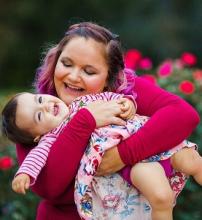
Aplastic anemia entered my life when I was 20 years old. I was visiting my grandmother in Delaware when I first noticed some of the symptoms. I was feeling fatigued and was getting little pinpoint bruises all over my legs, now knowing it was petechiae. I went to the doctor – no blood work was done at first, but I returned a few weeks later because the fatigue had become extreme. At this time, I was starting to suspect some sort of anemia, where I could barely get up without being out of breath and my therapist pointed out to me I had very pale lips and skin color. This time I asked for…
Young Minnesotan Opens Up About Dual Diagnosis and Emphasizes Emotional Wellness
My Diagnosis In the summer of 2014 I noticed ongoing bruising all over my body. At first, I thought it might have to do with my diet (low iron), but soon I noticed a new kind of mark on my skin, almost having a bulls-eye appearance. By end of summer I knew I had to do something about this. I went to my primary care doctor who ran a CBC (complete blood count). The office called back right away saying all my blood counts were extremely low, which came as quite a shock. I was immediately referred to the Minnesota Oncology Center. At this facility, I also had the first of several bone marrow
Faith and a fully matched sibling help beat back severe aplastic anemia
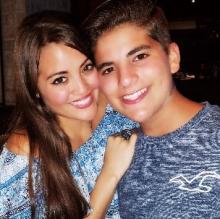
In October 2017 I was hospitalized for extreme dizziness, vomiting, fatigue, bruising, and shortness of breath. As an active, healthy person, having these symptoms was worrisome. My husband took me to the emergency room, where they performed a series of tests. We waited for my results, and a nurse looked at me and asked if I realized how pale I looked, and neither my husband or I had even noticed. At one point my blood pressure went down to 53/30 because my body was rapidly running out of blood. When the nurses realized this, they rushed me into medium care unit and requested an emergency
Paige Cranwell: "My Half-Match Miracle"
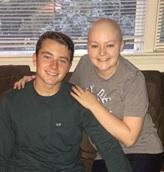
In May 2017, life was good and I was “living the dream”. I had been working full time for about a year after graduating from the University of Kentucky. I was living in Columbus, Ohio, working for an organization that supports children with childhood cancer and catastrophic disease. Everything was on track for my future. I started to feel sick. At first it seemed like flu-like symptoms of fatigue, racing heartbeat, lack of energy and some bruising that just wouldn’t go away. I drove home to Arlington, Virginia to see my primary care physician. I felt so bad, that my dad and I decided to…
Aplastic Anemia and Treatment-Related Complications Influence Career Choice
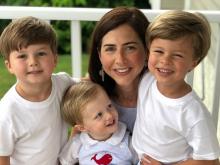
In December 1992, I was an 8-year-old, halfway through second grade, when strep throat and a urinary tract infection just wouldn’t go away. A late-night trip to the emergency room revealed dangerously low levels of platelets, which explained this and the severe bruising all over my body and rashes on my joints. My platelets were under 2,000 and I was supposed to have 250,000. I was sent to Virginia Commonwealth University Medical Center (VCU) in Richmond, Virginia that night and a few days later l was diagnosed with aplastic anemia. I began daily transfusions as a search for a bone marrow
Patient Trusts Her Instincts in Finding the Right Treatment
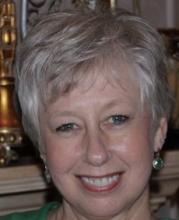
I never thought I would be diagnosed with cancer. I taught exercise classes, walked every day, ate a Mediterranean diet, and paid attention to products I used on my skin. I became a certified health coach and taught healthy living classes. But I did get a cancer diagnosis -- a rare blood cancer called MDS (myelodysplastic syndrome). Specifically, it was the Refractory Anemia with Ringed Sideroblasts, (RARS) subtype. I was scared, mad, confused, and in denial. When I was first diagnosed in August 2014, my hemoglobin was in the 9’s. (normal is 12-18) and I had no symptoms. I just thought I…