The National Academy of Sciences Engineering and Medicine’s (NASEM) Veterans and Agent Orange (AO) Committees have been performing biennial reviews of the literature examining the relationship between AO exposure and the risk for adverse health outcomes since 1996. In 2018, the committee concluded there are sufficient data to associate AO exposure with an increased risk of Hodgkin and non-Hodgkin lymphoma, chronic lymphocytic leukemia, monoclonal gammopathy of unknown significance, and hypertension. In 22 years of follow up, there is only one paper addressing myelodysplastic syndrome (MDS) and none addressing aplastic anemia aplastic anemia: (ay-PLASS-tik uh-NEE_mee-uh) A rare and serious condition in which the bone marrow fails to make enough blood cells - red blood cells, white blood cells, and platelets. The term aplastic is a Greek word meaning not to form. Anemia is a condition that happens when red blood cell count is low. Most… (AA) or myeloproliferative neoplasms (MPNs). The under representation is likely multifactorial, but low incidence is likely a major factor. This conundrum, lack of research on disorders that appear prevalent per Veterans’ advocacy groups along with the fact that some of the AO-associated disorders are also associated with clonal hematopoiesis hematopoiesis: (hi-mat-uh-poy-EE-suss) The process of making blood cells in the bone marrow. (CH) prompted us to look CH as marker of toxic exposure. CH refers to somatically acquired mutations in the hematopoietic stem cells stem cells: Cells in the body that develop into other cells. There are two main sources of stem cells. Embryonic stem cells come from human embryos and are used in medical research. Adult stem cells in the body repair and maintain the organ or tissue in which they are found. Blood-forming (hemapoietic) stem… that increase the risk of hematologic malignancy, atherosclerotic cardiovascular disease (ASCVD) and overall mortality. The association of any combat exposure with CH is unknown. Our initial plan was to use the Air Force Health Study (AFHS) with its unexposed control group and biospecimen repository with plasma plasma: The fluid part of the blood. Plasma is mostly made of water with chemicals in it. These chemicals include proteins, hormones, minerals, and vitamins. dioxin levels, however these samples are currently not available for research. Veterans of recent conflicts were exposed to a variety of toxins, dioxins and dioxin-like matter from burn pits, oil well fires and pesticides. The Gulf War Era Cohort and Biorepository (GWECB) includes survey and clinical data and peripheral blood genomic DNA from veterans who served during the 1990-1991 Gulf War. We propose a discovery pilot study to explore prevalence of CH among Gulf War veterans. This study is a first step towards understanding the association of combat exposures with genetic mutations that heighten the risk of adverse health outcomes.
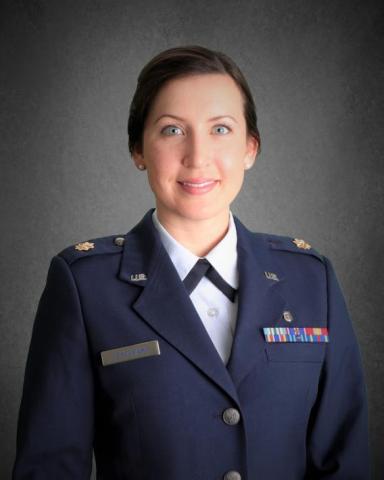
My interest in hematologic malignancies began during my intern year of residency when I cared for a patient with myelodysplastic syndrome being treated with a hypomethylating agent. I was fascinated by the genomic complexity of the disease and that modifying epigenetics was an effective treatment strategy. My curiosity deepened in fellowship when I regularly encountered patients with myeloid neoplasms such as myelodysplastic syndrome, acute myeloid leukemia acute myeloid leukemia: (uh-KYOOT my-uh-LOYD loo-KEE-mee-uh) A cancer of the blood cells. It happens when very young white blood cells (blasts) in the bone marrow fail to mature. The blast cells stay in the bone marrow and become to numerous. This slows production of red blood cells and platelets. Some cases of MDS become… and myeloproliferative disorders as well as B- and T-cell lymphomas. I became comfortable ordering, interpreting, and following myeloid next-generation sequencing which can detect hematopoietic mutations at various allelic frequencies (clonal hematopoiesis hematopoiesis: (hi-mat-uh-poy-EE-suss) The process of making blood cells in the bone marrow. ). To build upon my interest and framework in myeloid neoplasms, I completed over a year and a half of research with the myeloid malignancies section of the National Heart, Blood and Lung Institute (NHLBI) of the National Institutes of Health (NIH). Here, I gained a deeper understanding of risk factors for myeloid malignancies including risk factors for clonal hematopoiesis such as chemotherapy chemotherapy: (kee-moe-THER-uh-pee) The use of medicines that kill cells (cytotoxic agents). People with high-risk or intermediate-2 risk myelodysplastic syndrome (MDS) may be given chemotherapy to kill bone marrow cells that have an abnormal size, shape, or look. Chemotherapy hurts healthy cells along with… , radiotherapy and smoking. In fellowship I wrote a protocol protocol: An action plan that describes what will be done in a clinical trial and how it will be carried out. This plan is reviewed and approved by a committee at each place doing the clinical trial. This committee is known as the Institutional Review Board. assessing burdens of clonal hematopoiesis in African American breast cancer survivors and surveillance implications as part of survivorship care. Currently I am an active duty Air Force hematologist hematologist: (hee-muh-TOL-uh-jist) A doctor who specializes in treating blood diseases and disorders of blood producing organs. and am interested in exploring the impact of deployment combat exposures on clonal hematopoiesis and its associated conditions to include hematologic neoplasms, cardiovascular disease and early mortality. My clinical knowledge, mentorship under Drs. Wendy Bernstein (committee member on National Academies of Science meeting on Agent Orange) and David Scott who has mentored many post-doctoral fellows and MDs throughout his career, and access to next-generation sequencing support at The American Genome Center, one of the four largest academic genome centers in the United States located at Walter Reed National Military Medical Center, will help me succeed with this project.