
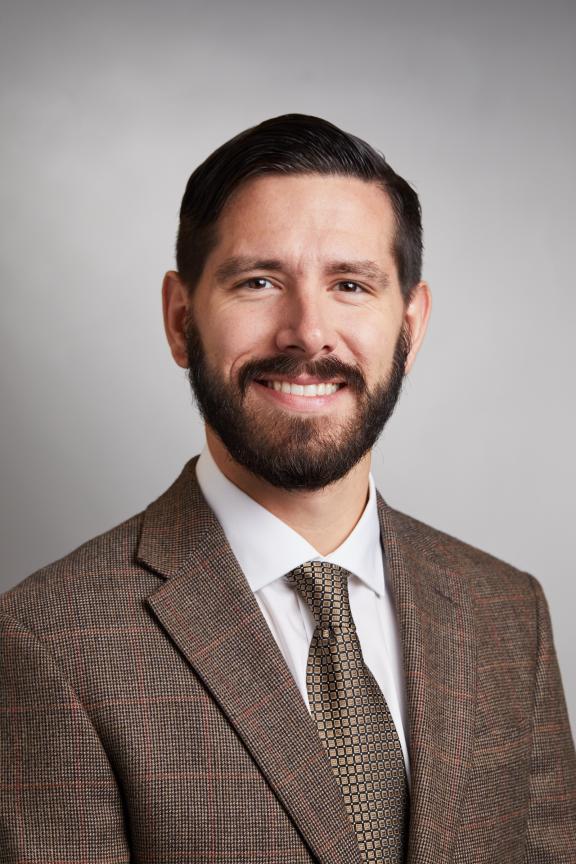
Dr. Shallis received his MD from Rutgers-Robert Wood Johnson Medical School, completed his residency training at Brown University-Rhode Island Hospital and fellowship training at Yale-New Haven Hospital. He is focused on the care and research of patients with myeloid malignancies, particularly acute myeloid leukemia acute myeloid leukemia: (uh-KYOOT my-uh-LOYD loo-KEE-mee-uh) A cancer of the blood cells. It happens when very young white blood cells (blasts) in the bone marrow fail to mature. The blast cells stay in the bone marrow and become to numerous. This slows production of red blood cells and platelets. Some cases of MDS become… (AML) and myelodysplastic syndromes myelodysplastic syndromes: (my-eh-lo-diss-PLASS-tik SIN-dromez) A group of disorders where the bone marrow does not work well, and the bone marrow cells fail to make enough healthy blood cells. Myelo refers to the bone marrow. Dysplastic means abnormal growth or development. People with MDS have low blood cell count for at… (MDS). He also participated in the K12 Calabresi Immuno-Oncology Training Program and currently participates as an investigator in several clinical trials clinical trials: Clinical research is at the heart of all medical advances, identifying new ways to prevent, detect or treat disease. If you have a bone marrow failure disease, you may want to consider taking part in a clinical trial, also called a research study. Understanding Clinical Trials Clinical… aimed at improving the outcomes of patients with AML and MDS.
Dr. Shallis also maintains research interest in epidemiological, outcomes and effectiveness research as it pertains to the hematologic malignancies with a goal of identifying barriers to effective care and ultimately strategies to improve the outcomes of patients with these malignant diseases. Dr. Shallis conducts research with the Cancer Outcomes, Public Policy and Effectiveness Research (COPPER) Center at Yale University.
new haven, CT 06510
United States