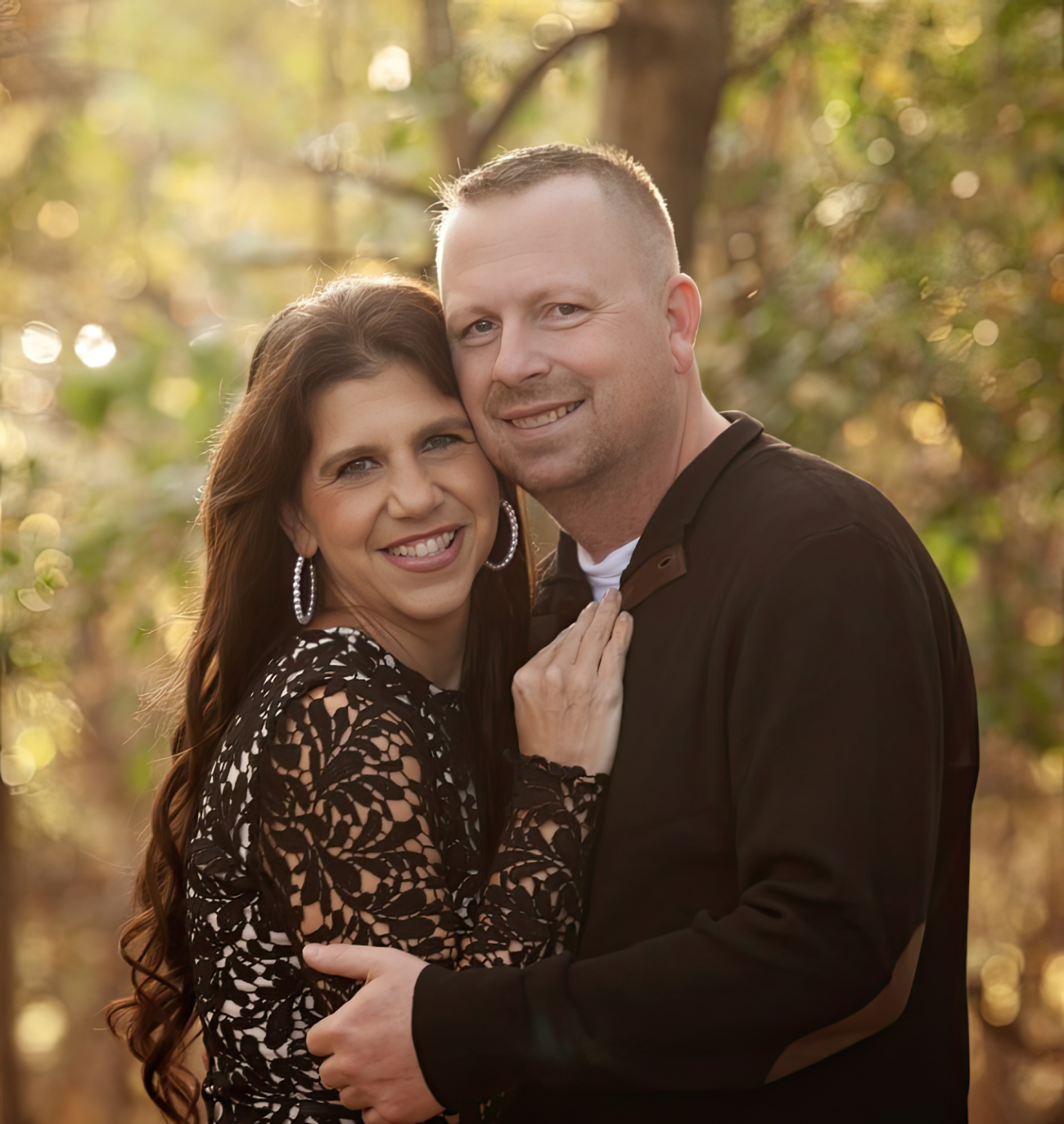
In November 2016, at just 36 years old, Greg was diagnosed with severe aplastic anemia aplastic anemia: (ay-PLASS-tik uh-NEE_mee-uh) A rare and serious condition in which the bone marrow fails to make enough blood cells - red blood cells, white blood cells, and platelets. The term aplastic is a Greek word meaning not to form. Anemia is a condition that happens when red blood cell count is low. Most… . Greg is a first responder, someone who has dedicated his life to helping and protecting others. Up until that moment, we were living a normal life. Raising our family, working hard, and planning for the future. That diagnosis instantly turned our world upside down. One moment everything felt normal, and the next we were sitting in doctors’ offices hearing words and medical terms we had never heard before.
The fear and uncertainty were overwhelming. As a spouse and a family, you immediately start thinking about everything. What this means, what comes next, and how life could change.
Greg first underwent treatment with ATGAM therapy in hopes that it would stimulate his bone marrow bone marrow: The soft, spongy tissue inside most bones. Blood cells are formed in the bone marrow. to begin producing healthy blood cells again. We held onto so much hope during that time, believing that the treatment might work. Unfortunately, it didn’t. Hearing that the therapy had failed was devastating.
At that point, we learned that Greg’s best chance for survival would be a bone marrow transplant bone marrow transplant: A bone marrow transplant (BMT) is also called a stem cell transplant (SCT) or hematopoietic stem cell transplant (HSCT).The procedure replaces unhealthy blood-forming stem cells with healthy ones and offers some patients the possibility of a cure. But for many patients, a BMT is not an option due… .
The idea that someone somewhere in the world could potentially save Greg’s life was both overwhelming and incredibly humbling. When the search began, we prayed that a match would be found. Soon we learned that a donor had been identified, an unrelated donor from Germany who was willing to give Greg the most incredible gift imaginable.
On August 9, 2017, Greg received his life-saving bone marrow transplant.
That day will forever be one of the most meaningful days of our lives. It was the day a complete stranger changed the course of our family’s future and gave Greg the second chance at life that he deserved.
The months that followed were not easy. Recovery after transplant requires patience, strength, and a lot of faith. There were difficult days, but there were also moments that reminded us why we were fighting so hard. Throughout the journey, we were surrounded by incredible doctors, nurses, family, and friends who supported us every step of the way.
Slowly but surely, Greg grew stronger.
Today, nearly nine years later, Greg is thriving. He is healthy, living life fully, and no longer taking any medications. Watching him live the life we once feared he might lose is something we will never take for granted.
Greg has always spent his life helping others as a first responder, and it is incredibly meaningful to know that when he needed help the most, someone he had never met stepped forward to help him.
Every birthday, every holiday, and every ordinary day together feels like a gift.
We often think about the donor in Germany who made the selfless decision to help someone they had never met. Because of that one act of generosity, Greg is here today with his family. Our gratitude for that donor and for everyone who chooses to register as a bone marrow donor is truly beyond words.
For spouses or loved ones of someone who has just been diagnosed, my advice would be to take it one day at a time. The beginning can feel incredibly overwhelming, but try to focus on the small victories along the way. Lean on the people around you, ask questions, and allow others to support you. You don’t have to carry the weight of it all alone.
Greg’s advice to fellow patients is simple: don’t lose hope. There will be hard days, but there is also so much to fight for. Trust your doctors, keep pushing forward, and remember that there are people around the world willing to step forward and give someone a second chance at life.
Because of one selfless donor in Germany, Greg was given that second chance and our family will be forever grateful. ❤️