Baseline IPSS-M vs pretransplant risk downstaging as prognostic determinants in MDS undergoing allogeneic transplantation
Risk stratification in myelodysplastic syndromes myelodysplastic syndromes:

Risk stratification in myelodysplastic syndromes myelodysplastic syndromes:
Patients at risk for progression from myeloid precursor states (idiopathic cytopenia cytopenia: (sie-tuh-PEE-nee-uh) A shortage of one or more blood cell types. Also called a low blood count.
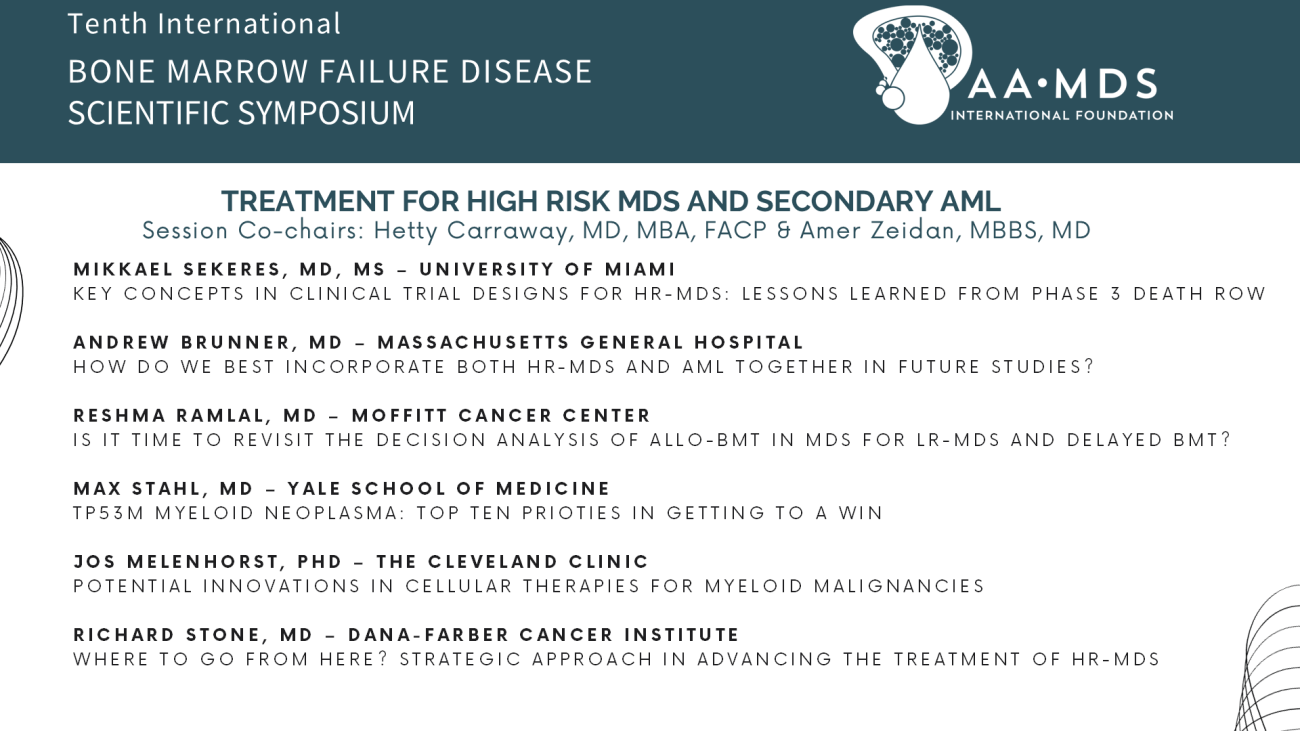
Dr. Reshma Ramlal is a hematologist-oncologist at the H. Lee Moffitt Cancer Center and Research Institute in Tampa, Florida. She specializes in bone marrow transplantation and cellular immunotherapy, with a clinical and research focus on allogeneic transplantation for myeloid malignancies, including acute myeloid leukemia, myelodysplastic syndromes, and myeloproliferative neoplasms. She is particularly recognized for advancing safe and effective transplantation in the elderly population, offering individualized treatment plans that emphasize both survival and quality of life. In her clinical