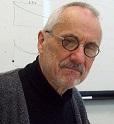
Dr. Joachim Deeg, a distinguished figure in the field of hematology and
bone marrow
bone marrow:
The soft, spongy tissue inside most bones. Blood cells are formed in the bone marrow.
transplantation., was presented with the AAMDSIF Lifetime Achievement in Science Award at the AAMDSIF 40th Anniversary Summit in October 2023. With a career spanning several decades, Dr. Deeg has made significant contributions to the understanding and treatment of blood disorders, particularly hematopoietic stem cell transplantation. A longtime supporter of the AAMDSIF mission, Dr. Deeg serves as an original member of our organization's Medical Advisory Board and has presented at numerous professional and patient education programs.
Born in Germany, Dr. Deeg pursued his medical education with fervor, earning his medical degree from the University of Heidelberg. Following his education and arrival at the Fred Hutch in 1976, he embarked on a journey of research and clinical practice that would shape the landscape of hematologic oncology.
Dr. Deeg's work has been characterized by a relentless pursuit of excellence in patient care, research, and education. He has held numerous leadership positions, including Director of the
Clinical Research
Clinical Research:
A type of research that involves individual persons or a group of people. There are three types of clinical research. Patient-oriented research includes clinical trials which test how a drug, medical device, or treatment approach works in people. Epidemiology or behavioral studies look at the…
Division at the Fred Hutchinson Cancer Research Center, Professor of Medicine at the University of Washington School of Medicine, and visiting Professor at Carl Carus University in Dresden, Germany.
Throughout his career, Dr. Deeg has been at the forefront of groundbreaking research aimed at improving outcomes for patients with blood cancers and disorders. He has been cited in over 863 peer-reviewed studies and has authored several books. His research interests encompass a wide range of topics, including graft-versus-host disease,
myelodysplastic syndromes
myelodysplastic syndromes:
(my-eh-lo-diss-PLASS-tik SIN-dromez) A group of disorders where the bone marrow does not work well, and the bone marrow cells fail to make enough healthy blood cells. Myelo refers to the bone marrow. Dysplastic means abnormal growth or development. People with MDS have low blood cell count for at…
, and leukemia. Some of Dr Deeg’s most notable contributions to
bone marrow failure
bone marrow failure:
A condition that occurs when the bone marrow stops making enough healthy blood cells. The most common of these rare diseases are aplastic anemia, myelodysplastic syndromes (MDS) and paroxysmal nocturnal hemoglobinuria (PNH). Bone marrow failure can be acquired (begin any time in life) or can be…
research include developing novel treatments for acute graft-vs.-host disease; creating an animal model of MDS that has allowed researchers worldwide to test new treatments; and establishing bone marrow transplantation from healthy donors as a curative treatment for MDS and myeloproliferative neoplasms.
In addition to his research and clinical responsibilities, Dr. Deeg is a dedicated educator, mentoring over 50 students, fellows, and young physicians in the field of hematology and bone marrow transplantation. His passion for teaching and knowledge dissemination has had a lasting impact on the next generation of medical professionals.
Dr. Deeg's contributions to the field have been widely recognized, earning him numerous awards and honors, including the prestigious E. Donnall Thomas Lecture and Prize from the American Society of Hematology. His work continues to shape the landscape of hematology and bone marrow transplantation, offering hope to patients and advancing the field towards new frontiers in treatment and care.